
Terminology Explained & SEO
By Sebastien
Terminology
At Showroom Network, we understand that digital marketing terminology can be confusing. Here’s a breakdown of some common terms you may hear:
-
SEO
Search Engine Optimisation is the process of optimising your website to rank higher on search engine results pages. This involves tailoring your website’s content to match the search engine’s algorithm and the user’s search query.
-
Keywords
These are the words and phrases that people use to find your website on search engines. It’s important to use relevant keywords in your website’s content to increase its visibility on search engine results pages.
-
Pay Per Click
Pay Per Click is a type of online advertising where advertisers pay each time someone clicks on their ad. This can be an effective way to drive traffic to your website and increase conversions.
-
Search Engine Marketing
Search Engine Marketing is a combination of SEO and PPC. This involves using both organic and paid traffic to increase your website’s visibility on search engine results pages.
-
Content Management System
Content Management System is a software application that allows users to create, manage, and publish digital content. This can include text, images, videos, and other media.
-
Crawling
This is the process search engines use to scan and index website pages. It involves recognising keywords and other relevant content on the page.
SEO In-Depth
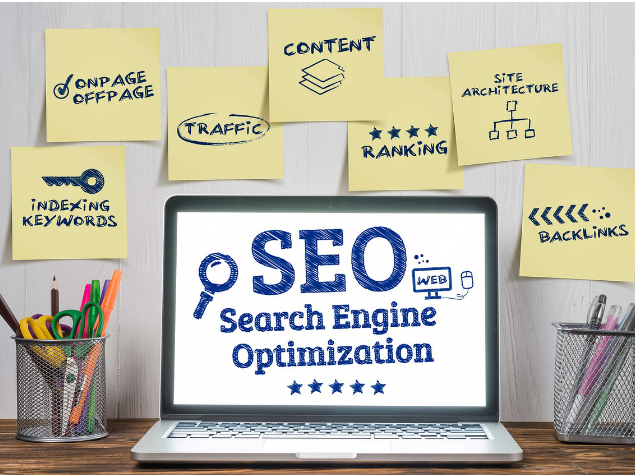
Technical SEO
Optimising performance by ensuring the website runs smoothly on mobile and desktop, minimise web page sizes by reducing unused CSS and Javascript and compress images.
On-Site SEO
Optimising the content on a website to ensure it suits the targeted audience and search engines; while containing relevant keywords and phrases. Other ways to optimise content are to improve the readability of a page and do regular content auditing to ensure your site is up-to-date and following the trends.
Site Structure
Make sure the website is crawlable, your site won’t rank at all if it can’t be seen by search engines. Disabling search engine crawling is often something that is done for development but it’s important to turn search engine crawling back on as soon as you can to start ranking on Search Engines.
A website’s structure is the first point of call for search engines, site structure is a guide for search engines to be able to link between the site and work out the relationship between pages to make sure important pages -homepages for example – are picked up and included in the rankings.
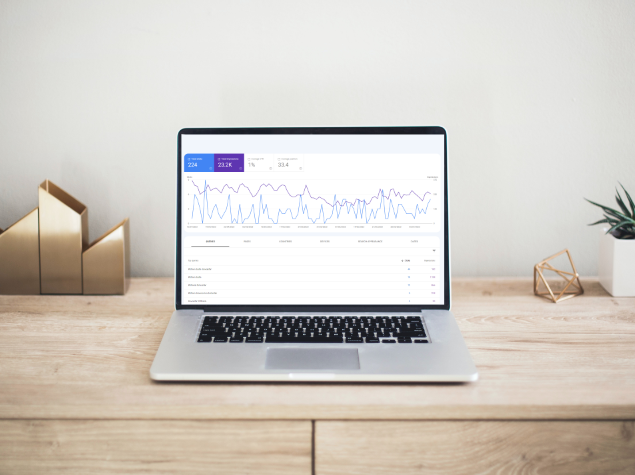
Speaking of important pages, if your site isn’t structured well, search engines won’t know which page is more important than others, and therefore they will all compete under the same topic. It’s important to use a good internal linking structure.
The third and final point on site structure is User Experience, users need to be able to easily find their way around your website, which will increase the chance of people converting – visiting the business or contacting you.
So if you’re wanting to develop a new website or simply want to improve your search engine rankings, be sure to follow the steps above.
Or if you want to do all of that without the effort, get in touch today and we’ll take care of it for you.
Author Info

Sebastien
Website Developer with a passion for Mental Health.
Latest Blogs

Keyword Research: How to bring customers to your website
October 17, 2024
Contact us today for a free quote and website audit!
Similar Blogs
2025 Digital Marketing Trends
November 27, 2024
Keyword Research: How to bring customers to your website
October 17, 2024